













































































































































































































Blog
The latest news about the insurance industry
Does Homeowners Insurance Cover Water Damage?

June 29, 2020
As a homeowner, it’s crucial to understand what your homeowner’s insurance policy covers in terms of disasters, such as water damage. So, does homeowners insurance cover water damage? Generally, insurance policies will cover sudden and accidental water damage that is not the result of negligence or lack of maintenance. In today’s insurance blog, we answer your questions about Homeowners insurance and water damage.
What Type of Water Damage is Covered by Homeowners Insurance?
It depends on the source of the water damage and the limits of your individual policy. Typically, standard homeowners insurance policies cover water damage that is deemed to be “sudden and accidental,” as long as it is not caused by a lack of maintenance or neglect/ This includes:
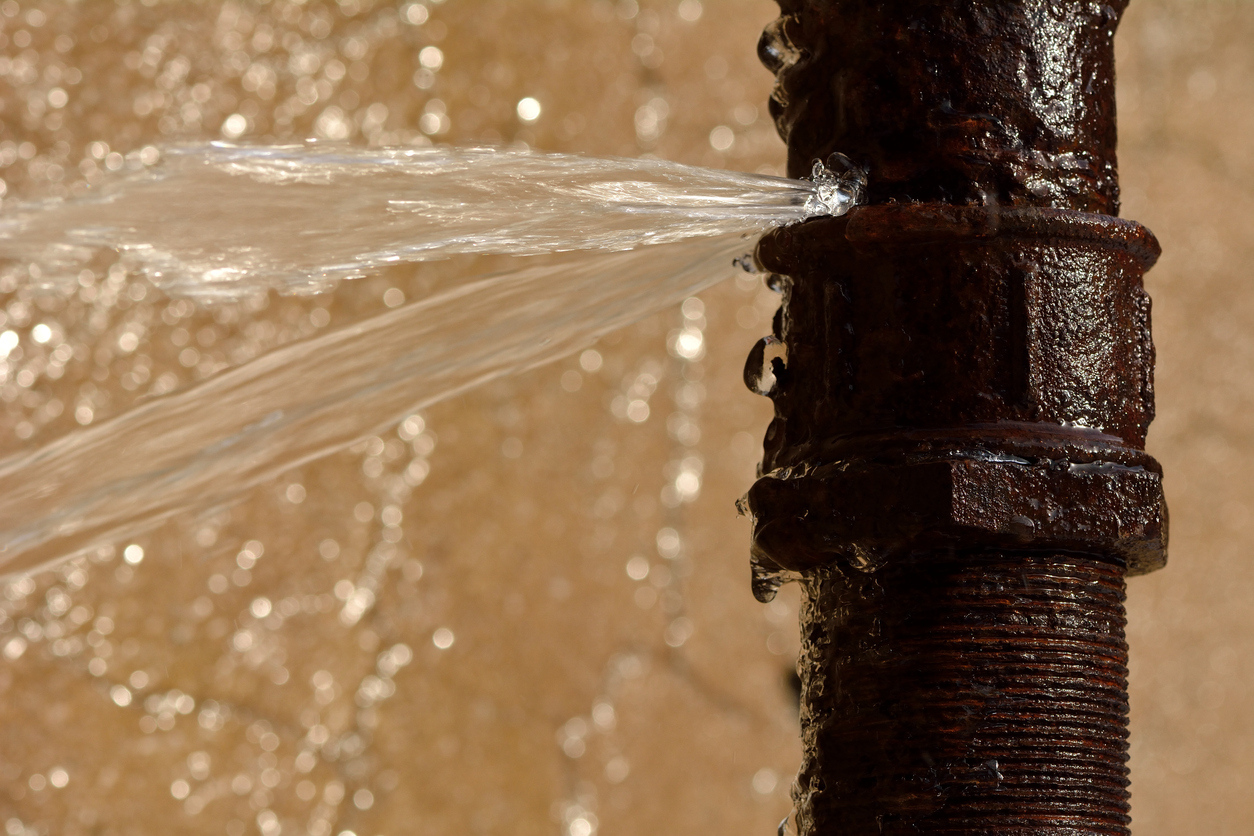
Burst Pipes
If a pipe suddenly bursts and causes water damage to your home, your insurance policy may cover the cost of repairs. This type of water damage is typically covered by most homeowners insurance policies.
Water Damage from Appliances
If your dishwasher, washing machine, or other appliance leaks and causes water damage to your home, your insurance policy may cover the damage. Make sure to review your policy to determine what types of appliances are covered.
Water Damage from Extinguishing a Fire
If your home is damaged by water used to extinguish a fire, your insurance policy may cover the damage. This type of water damage is often covered under homeowners insurance policies.
Water Damage from Storms
If your home is damaged by rain, snow, or a leaking roof, and the damage is not the result of neglect or lack of maintenance, your insurance policy may cover the damage. It is important to note that flood damage is typically not covered under homeowners insurance policies and may require additional coverage. However, when water damage results from floods, it is not covered unless you have purchased special flood insurance coverage. Surface and groundwater are typically not covered; however, these could potentially be added by endorsement.
Does Homeowners Insurance Cover Mold?
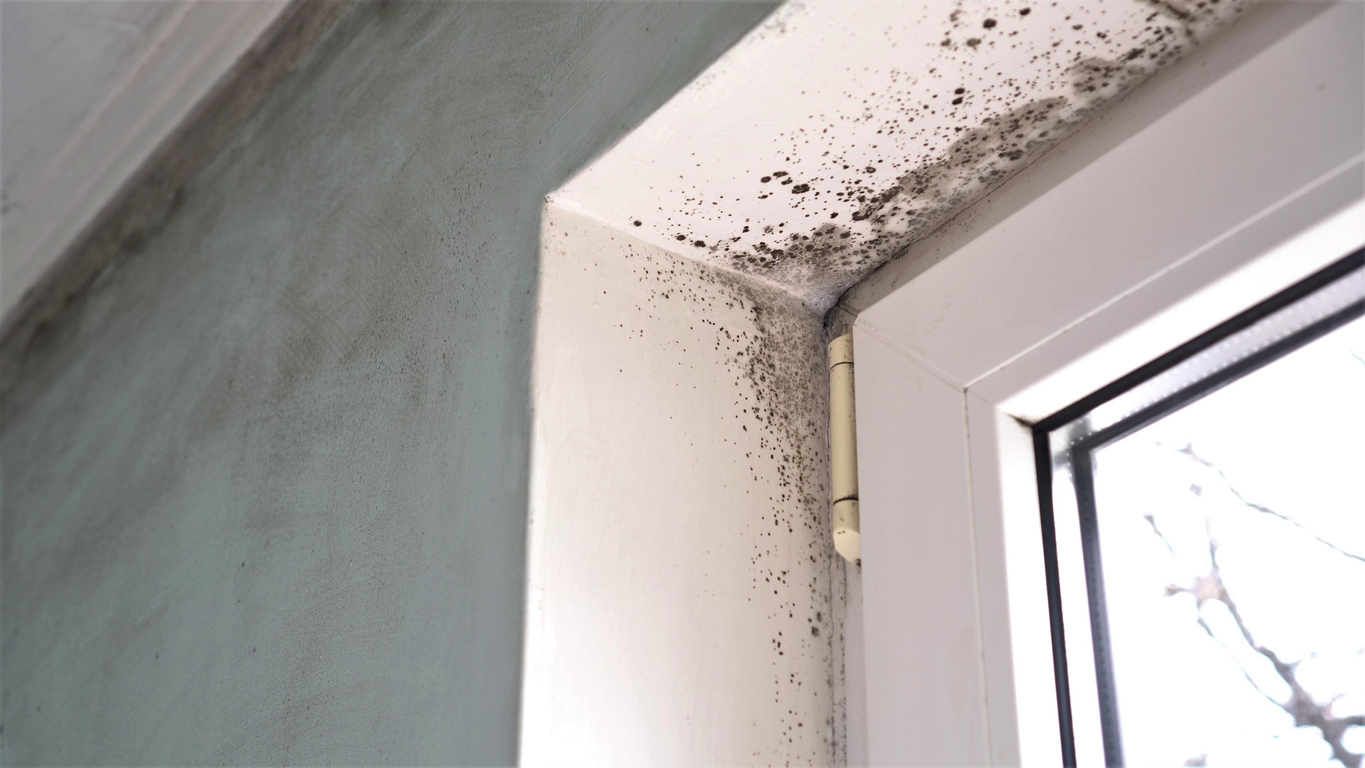
Again, homeowners insurance policies typically cover mold in specific situations. If the mold is the result of a covered peril, such as water damage from a burst pipe or storm damage, then mold remediation may be covered under the policy. However, if the mold is the result of long-term neglect or lack of maintenance, the cost of remediation may not be covered. It’s important to review your policy carefully to understand the specifics of your coverage for mold damage. Some policies may offer limited coverage for mold, while others may offer none at all. If you’re unsure about your coverage, reach out to your insurance agent to ensure you have the right coverage for your needs!
How Can You Prevent Water Damage in Your Home?
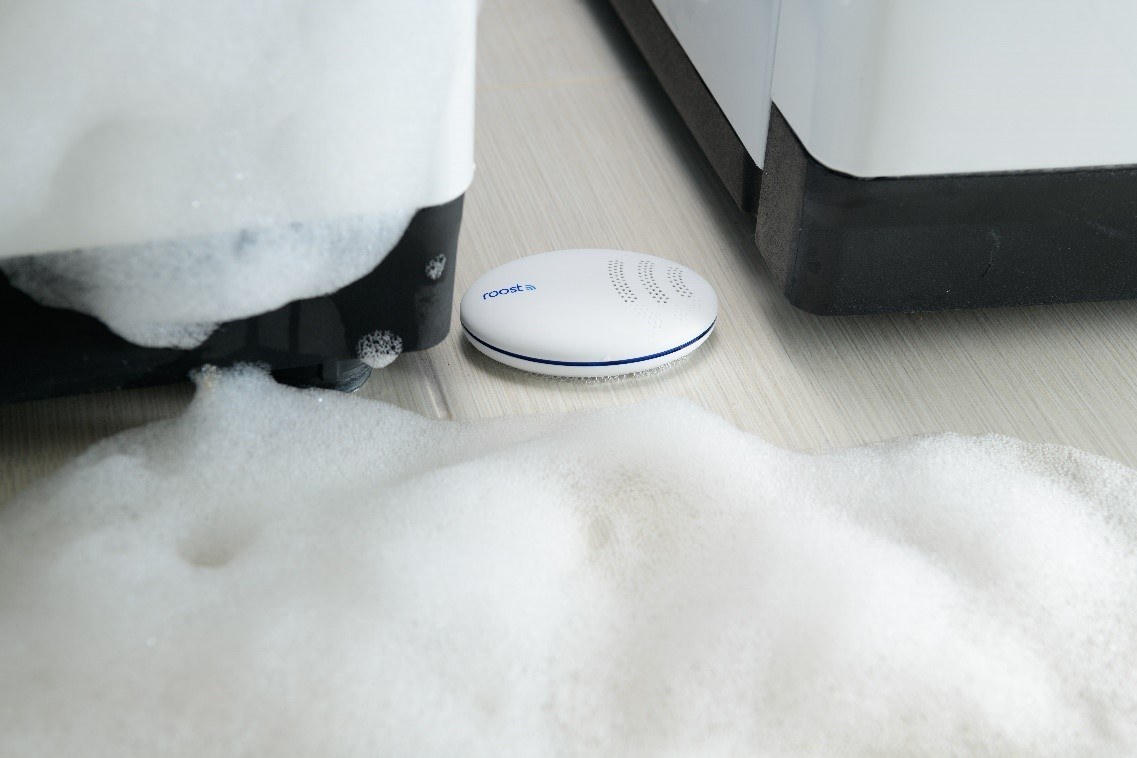
The best way to prevent water damage is to monitor and maintain common sources of water damage.
Maintaining Your Home to Prevent Water Damage
There are plenty of home maintenance tasks that help prevent water damage, fires, and other accidents that can lead to costly damage. Here’s what you should be doing to prevent water damage in your home.
- Regularly inspect your roof for signs of damage
- Keep your gutters and downspouts clean
- Check plumbing systems for leaks or drips
- Reseal cracks in caulking around tubs, toilets, sinks, windows, and door frames
- Seal gaps or cracks in windows, doors, and walls
- Have your water heater inspected annually
- Test your sump pump annually
- Control humidity levels in your home
- Inspect appliance hoses and faucets
- Don’t leave the house while the dishwasher or washing machine is running
- Keep belongings stored off the floor and on shelves in the basement and garage
Monitoring Your Home for Water Damage
While visually checking seals and caulking, plumbing pipes, appliance hoses, and faucets for cracks and leaks is important, water, leak, and freeze detection systems like Roost are your best bet for protecting your home from water damage. Not only do Roost’s sensors accurately detect water, humidity, and temperature, but they also alert your smartphone and allow you to shut off your water to prevent costly water damage. Be sure to consider how different “smart home” systems can help keep your home protected.
Why Choose Grange for Your Homeowners Insurance?
At Grange Insurance Association, we believe that the real value in an insurance policy is the claims service you receive when something bad happens. Here’s a testimonial from one of our valued policyholders who filed a water damage claim through their Grange Homeowners insurance policy.
The best way to know what’s covered in your Homeowners insurance policy is to talk directly to your insurance agent. In the meantime, check out our insurance blog, where we cover everything from how to do a home inventory to how to choose your Homeowners insurance deductible amount.
The content available via Grange.com is for informational purposes only and may not be used for any other purpose. Content provided or expressed on Grange.com, including that of third parties, may not reflect Grange Insurance Association’s (GIA) policies or conform to any agreement you may have with GIA and its subsidiary companies. Please contact a licensed insurance agent to obtain particular advice.
Related Posts
Actual Cash Value vs. Replacement Cost Insurance: What You Need to Know